When Perfection Meets Reality: AI vs. Nature Photography
I recently did a simple experiment.
I took a real landscape photograph from Unsplash and placed it beside an image generated entirely by AI.
The result surprised me.
At first glance, I found myself drawn to the AI-generated image.
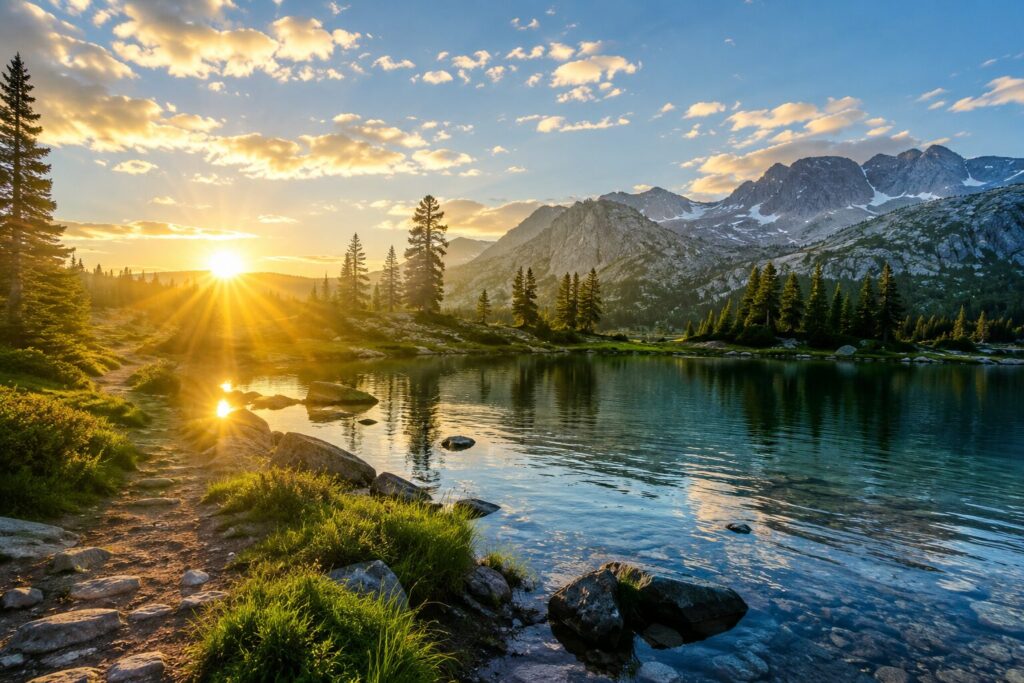
Its lighting was dramatic.
The reflections were flawless.
The sky looked like it had been painted by an artist.
Every element appeared perfectly balanced.
A Simple Prompt, An Extraordinary Result
Out of curiosity, I opened an AI image generator and typed a very simple prompt:
“Create a visually appealing image of landscape nature.”
That was it.
No detailed instructions.
No mention of mountains, lakes, sunrise, reflections, lighting, or composition.
Just one simple sentence.
Within seconds, AI generated a breathtaking landscape. It had glowing golden light, crystal-clear reflections, majestic mountains, and a composition that looked as though it had been carefully planned by an experienced landscape photographer.
It was a beauty to watch.
That made me wonder.
How could such a simple prompt produce an image that looked so cinematic?
And why did it immediately capture my attention more than many real landscape photographs?
I wasn’t comparing AI with nature. Nature remains the greatest artist. What fascinated me was AI’s ability to imagine an idealized version of nature—one that aligns almost perfectly with what many of us find visually appealing.
Ironically, the photograph created by a machine looked more “perfect” than the one captured by a real photographer standing in a real place.
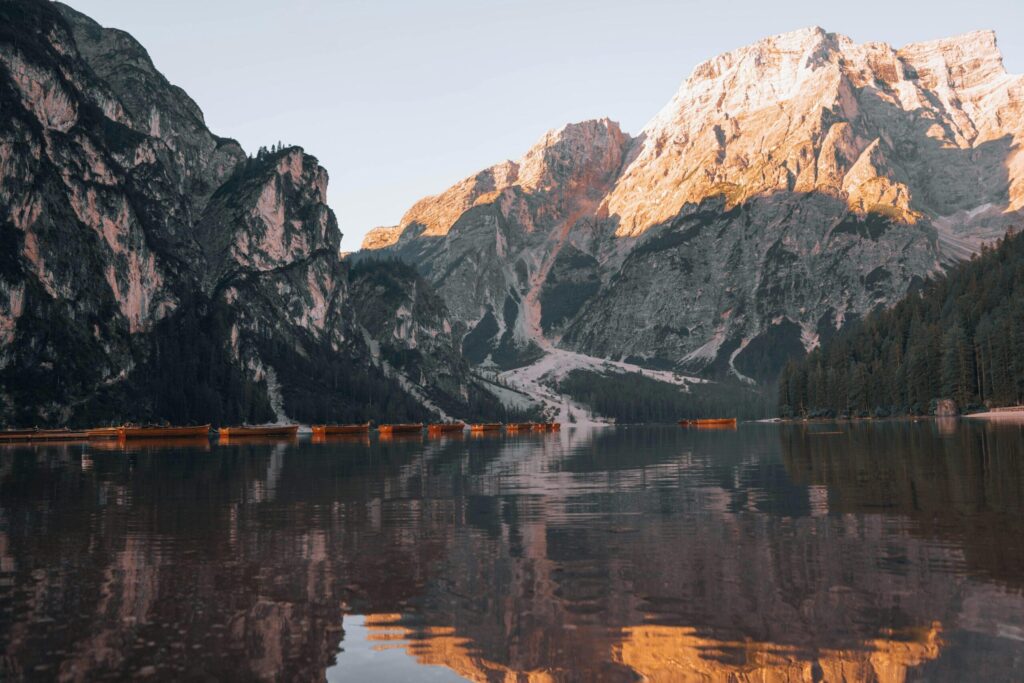
Image courtesy: Unsplash
That made me stop and think.
Why Does the AI Image Feel More Beautiful?
The AI image wasn’t created by waiting for the perfect sunrise.
It wasn’t limited by weather, geography, or the photographer’s position.
Instead, it was generated from millions of images the model had learned from.
It combined the most visually appealing characteristics into a single scene.
Golden-hour lighting.
Perfect reflections.
Balanced composition.
Vibrant colours.
No distractions.
It wasn’t reproducing reality.
It was creating an idealized version of reality.
Nature Isn’t Always Perfect
Real photographs tell a different story.
Clouds don’t always cooperate.
The light may not be perfect.
There might be haze.
The water may not reflect the mountains exactly.
A tree may block the view.
That’s because nature isn’t designed to satisfy our aesthetic expectations.
It’s simply real.
Ironically, those imperfections are often what make a photograph authentic.
Have Our Eyes Changed?
The more AI-generated images we see, the more our expectations begin to shift.
Perfect skies become normal.
Impossible lighting starts feeling natural.
Symmetrical landscapes begin to look ordinary.
Eventually, a genuine photograph may appear less impressive—not because it’s inferior, but because our eyes have become accustomed to perfection.
That’s an interesting psychological shift.
The Difference Between Beauty and Reality
The AI image may look more beautiful.
But beauty isn’t the same as reality.
The real photograph represents a place someone actually visited.
Someone woke up before sunrise.
Carried heavy camera equipment.
Waited patiently.
Watched the changing light.
Pressed the shutter at the right moment.
That image tells a true story.
The AI image tells an imagined one.
Both have value.
One celebrates creativity.
The other preserves reality.
Final Thoughts
As someone who enjoys both photography and AI, I don’t see this as a competition.
I see it as a reminder that technology is changing not only how we create images but also how we perceive beauty itself.
Perhaps the biggest question isn’t whether AI can create beautiful landscapes.
It clearly can.
The real question is this:
As AI continues to create perfect versions of the world, will we still learn to appreciate the beauty of the imperfect one?

Leave a Reply